
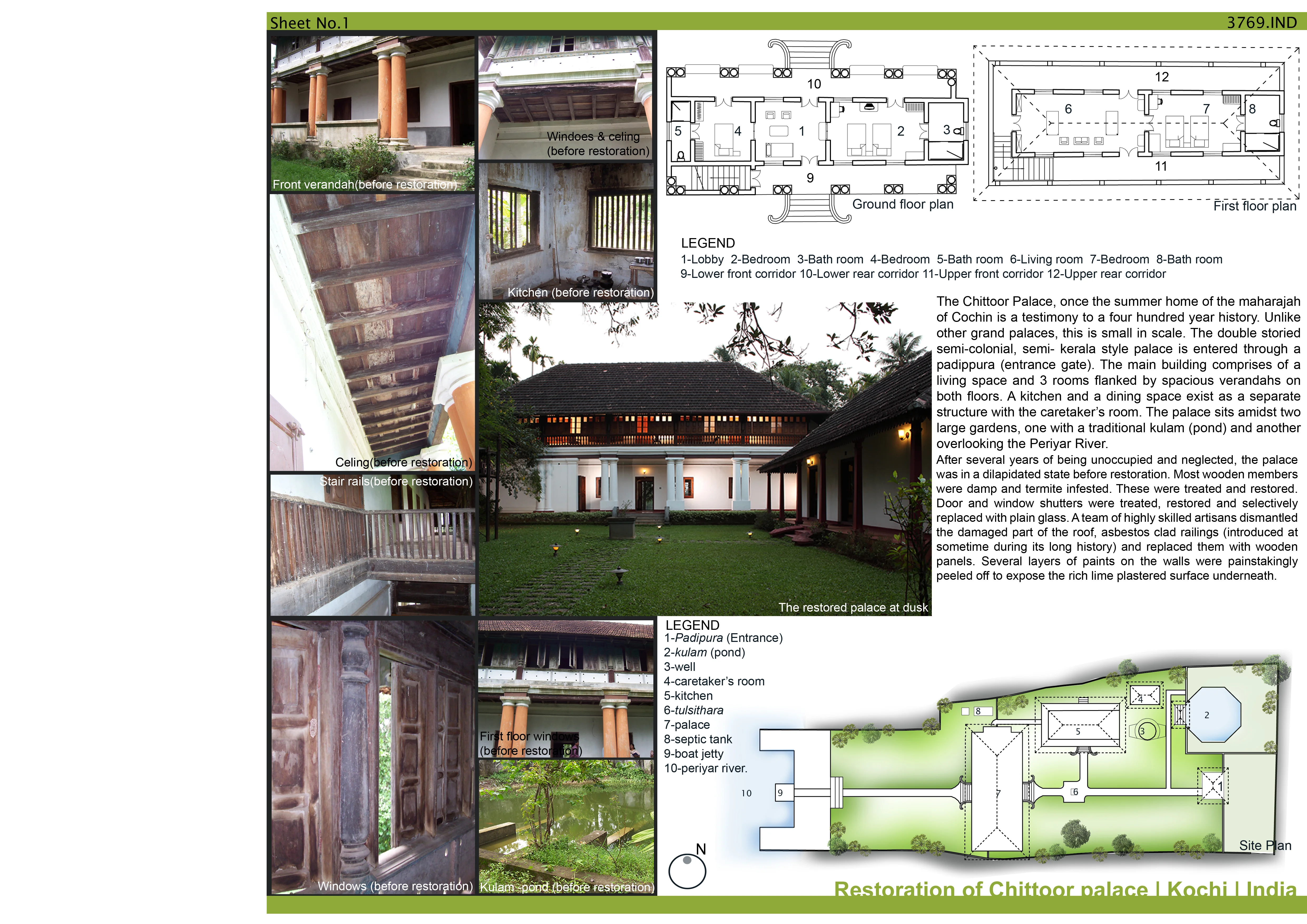
CHITTOOR PALACE
2014-08-09
Conservation
Architect: Jaigopal Rao
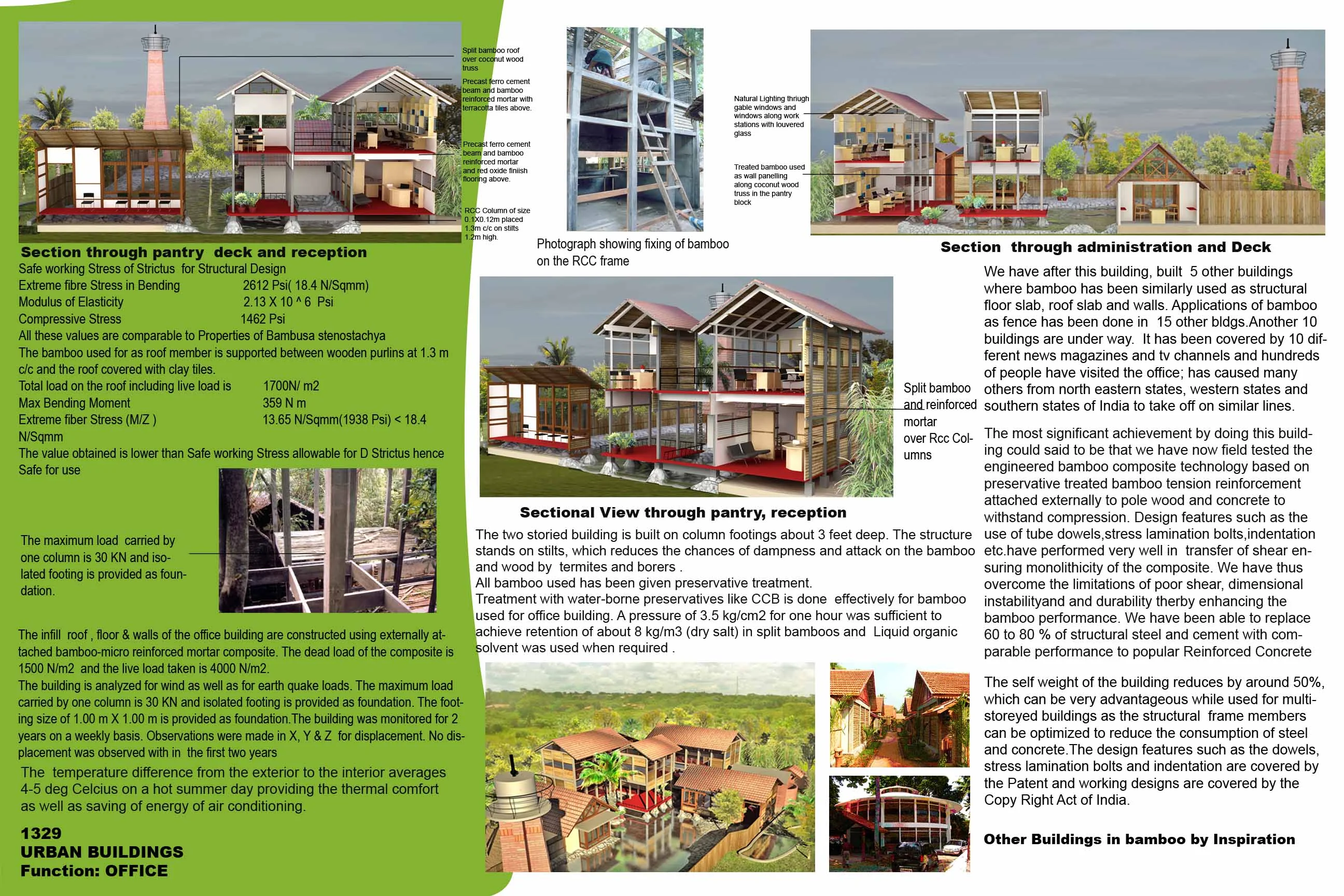
INSPIRATION OFFICE
2014-08-09
Architecture
Architect: Jaigopal Rao
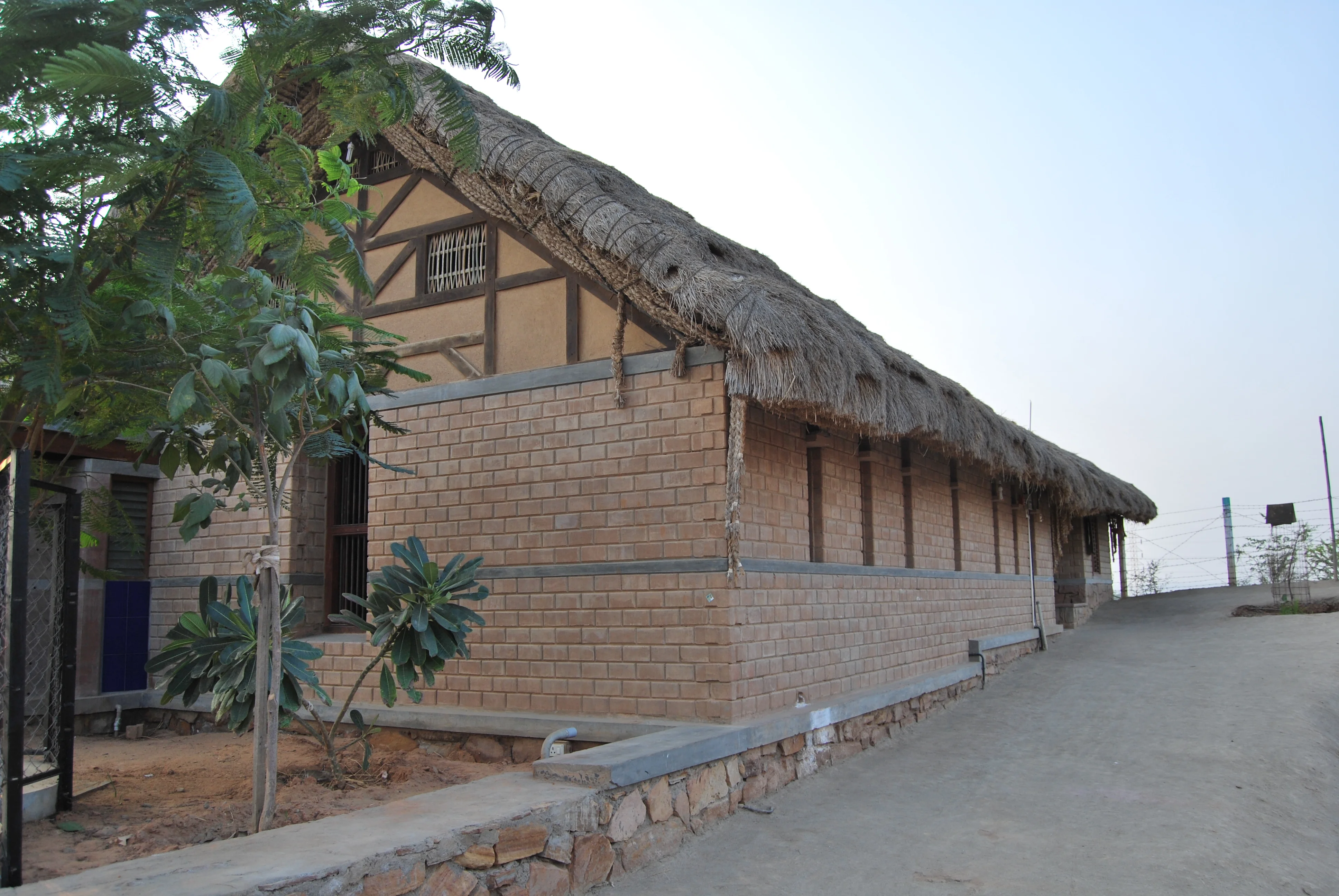
HUNNARSHALA OFFICE
2014-08-09
Architecture
Architect: Sandeep Virmani The office building of Hunnarshala is a harmony of natural material and hands of building craftsmen working on this platform to build spaces that are safe, consuming less energy and have an essence of local culture and craft. The design of the workspaces was visualized...
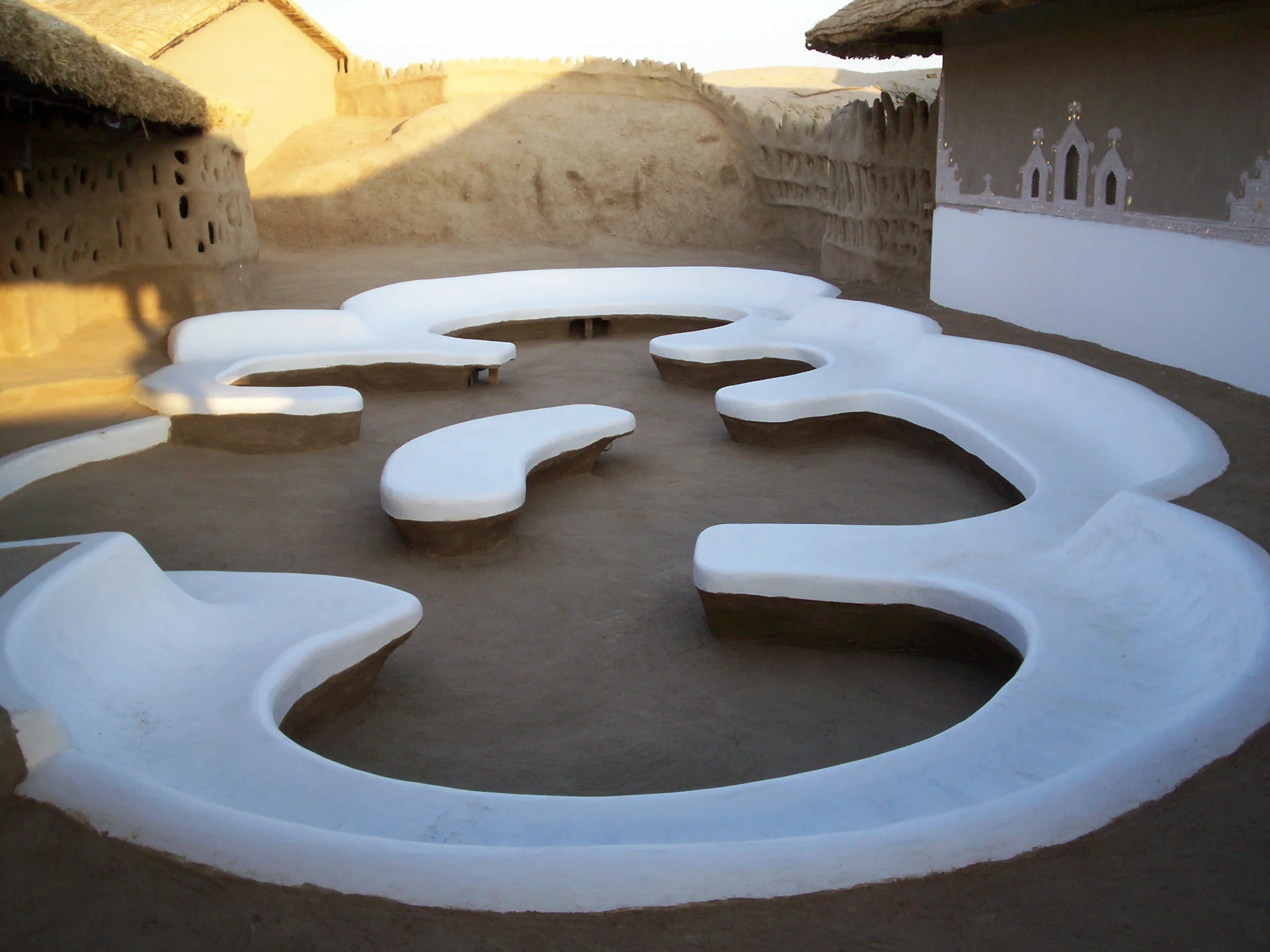
SHAAM E SARHD TOURISM CENTRE
2014-08-09
Architecture
Architect: Sandeep Virmani Sponsored by the Ministry of Tourism and implemented by the District Collector of Kutch, in collaboration with an NGO, Kutch Mahila Vikas Sangathan, this project was an attempt to have the people of Hodka show case their traditions, culture, region and history directly to the...
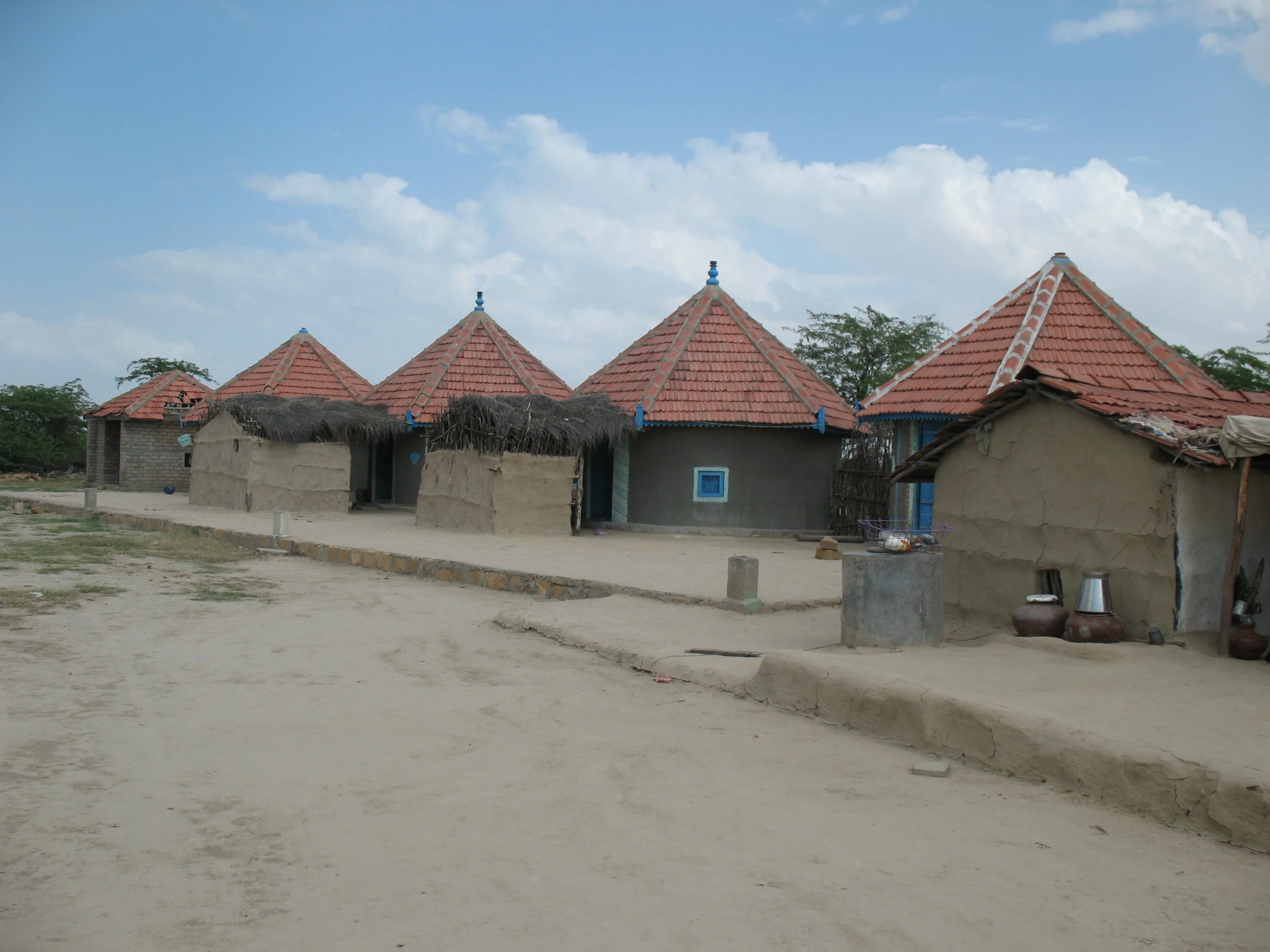
BANNI PACCHAM REHABILITATION PROJECT
2014-08-09
Architecture
Architetect: Sandeep Virmani This project helped 1456 nomadic and Meghwal families build their homes. The traditional Bhungas (circular rooms) on extended plinths was adapted to incorporate stabilized earth blocks and rammed earth walls and tiled roofs with the involvement of master artisans of their community. The design evolved...
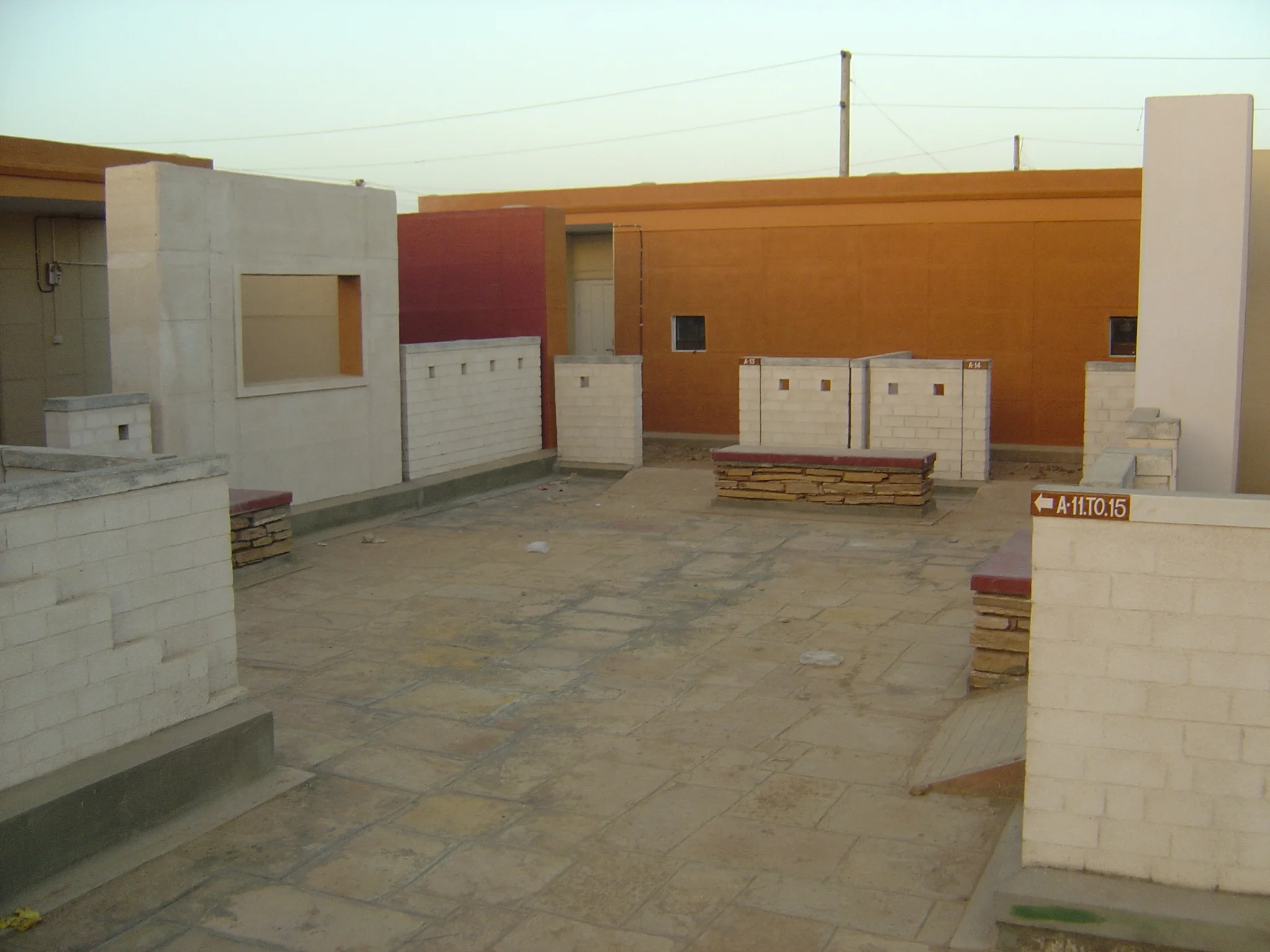
SARDAR NAGAR HOUSING
2014-08-09
Architecture
Architect: Sandeep Virmani Sardar Nagar is a relocation site developed for the earthquake affected poor families of Bhuj city. Hunnarshala developed the master plan for the 21 acre site and has built 280 homes and a waste water treatment system. The master plan to house 1200 homes is...
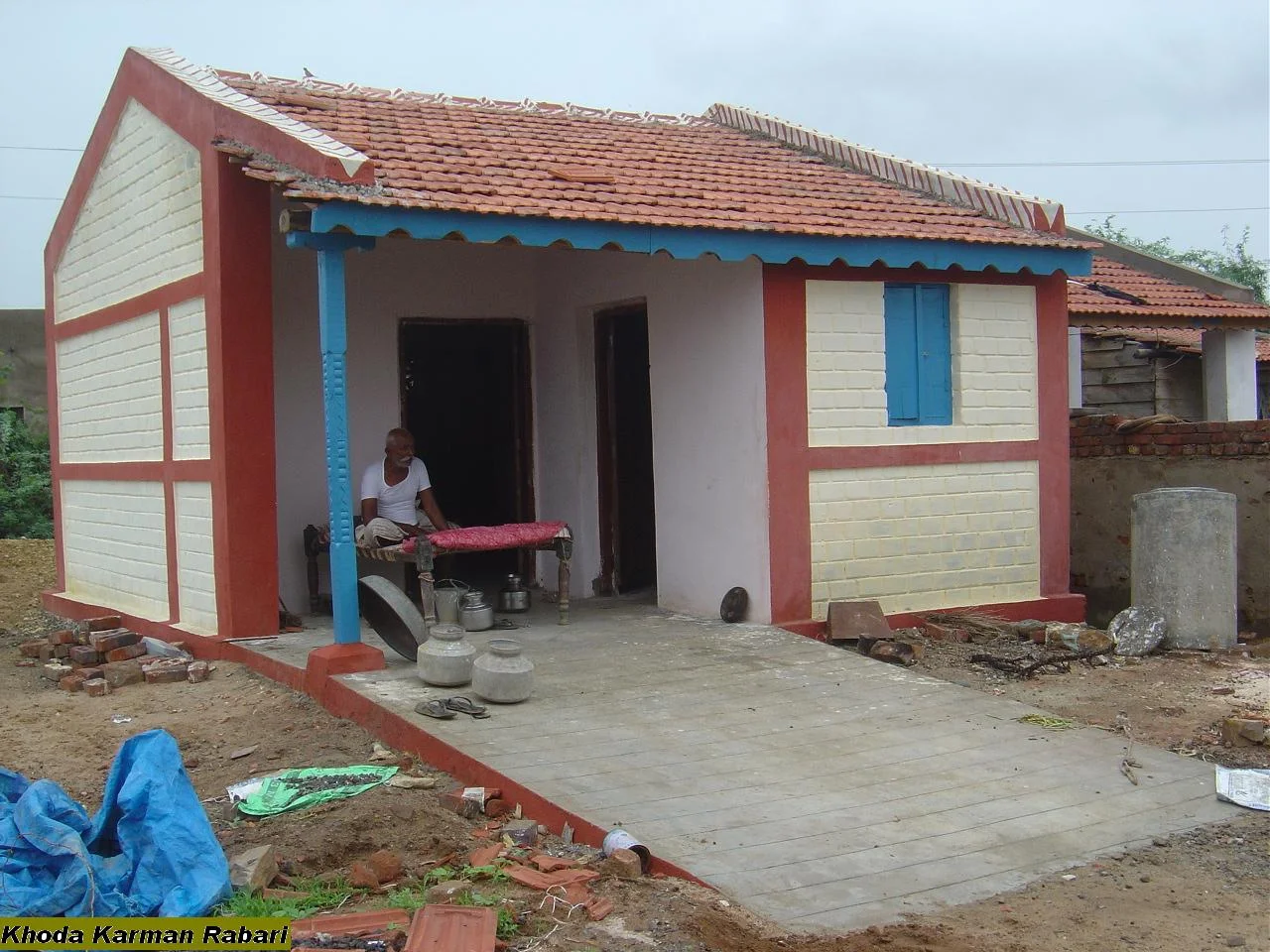
JUNAWADA HOUSING SETTLEMENT
2014-08-09
Uncategorized, Architecture
Architect: Sandeep Virmani Junawada was the village around which the town of Bhachau developed. The 750 families of Kolis and Rabaris had integrated with urbanizing Bhachau and continued to work as farmers, animal husbandry and labor. Consequently their living followed the Wada pattern in which a family occupies...
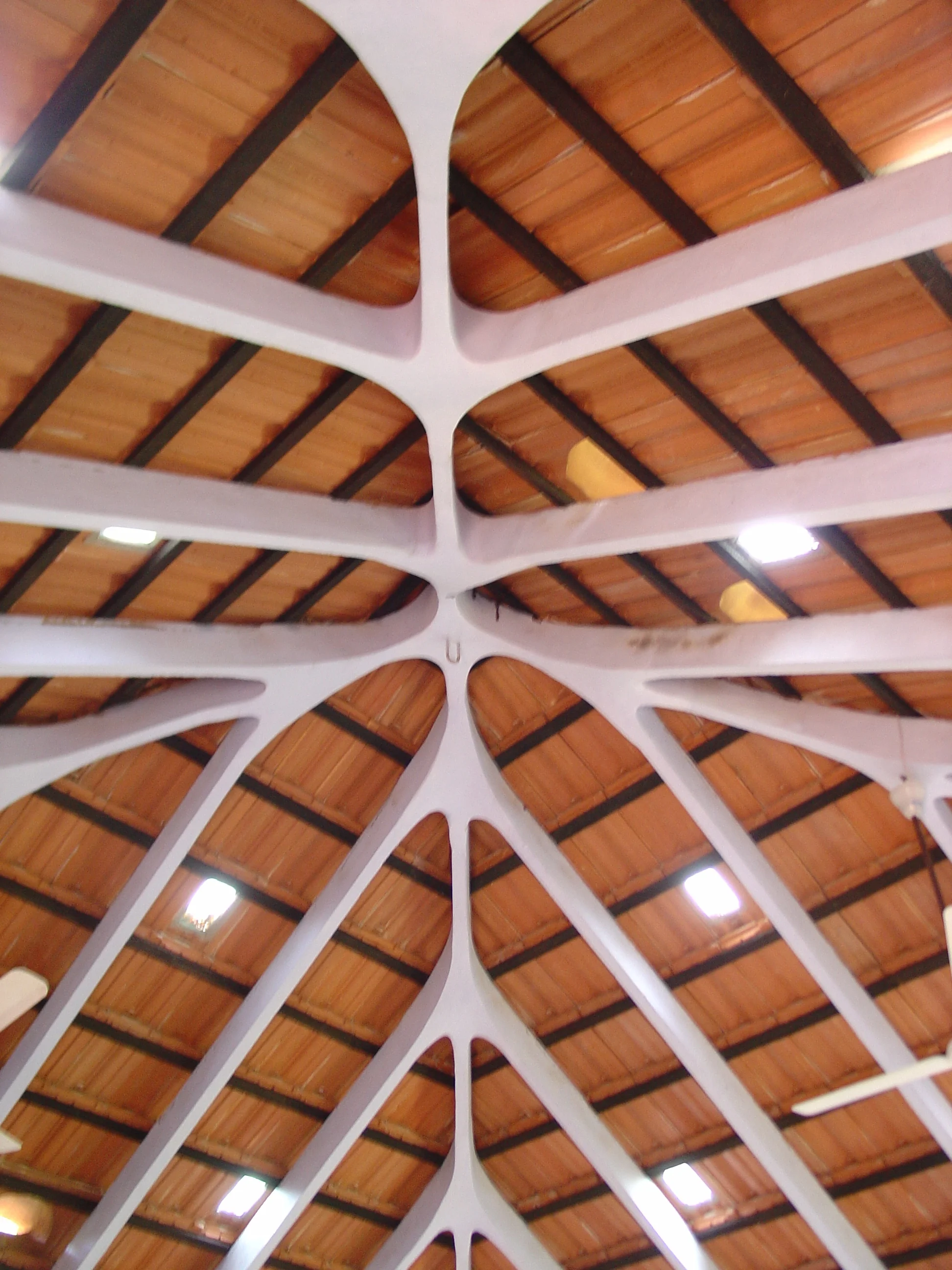
AUROVILLE KINDERGARTEN
2014-03-18
Architecture
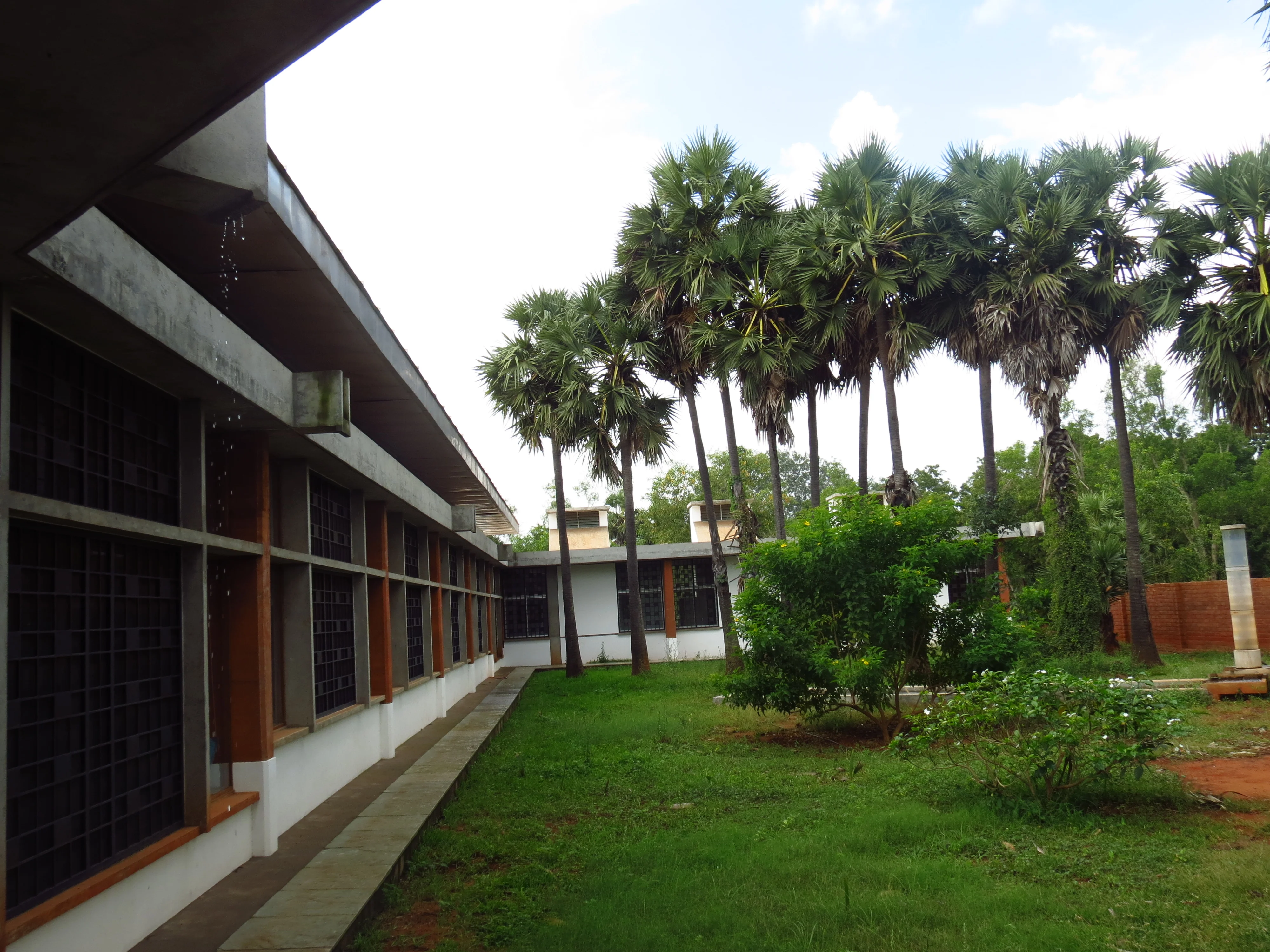
Architect: Suhasini Iyer The Kindergarten is for 60-65 children of 3-7 years of age belonging to different nationalities. This is an International township in making in south India with residents from about 30 countries of the world. The main design guidelines that emerged was: the spaces of the...
AUROVILLE LIBRARY
2014-03-17
Architecture
Architect: Suhasini Iyer BUILDING FUNCTIONS Total project layout with 2 phases is designed for a population of 5000 persons or for Auroville 2025 with the Phase 1 comprising of 630 m2 is to house the main library with office for cataloguing / book repairs, including a reference section...
AUROVILLE SOLAR KITCHEN
2014-03-17
Architecture
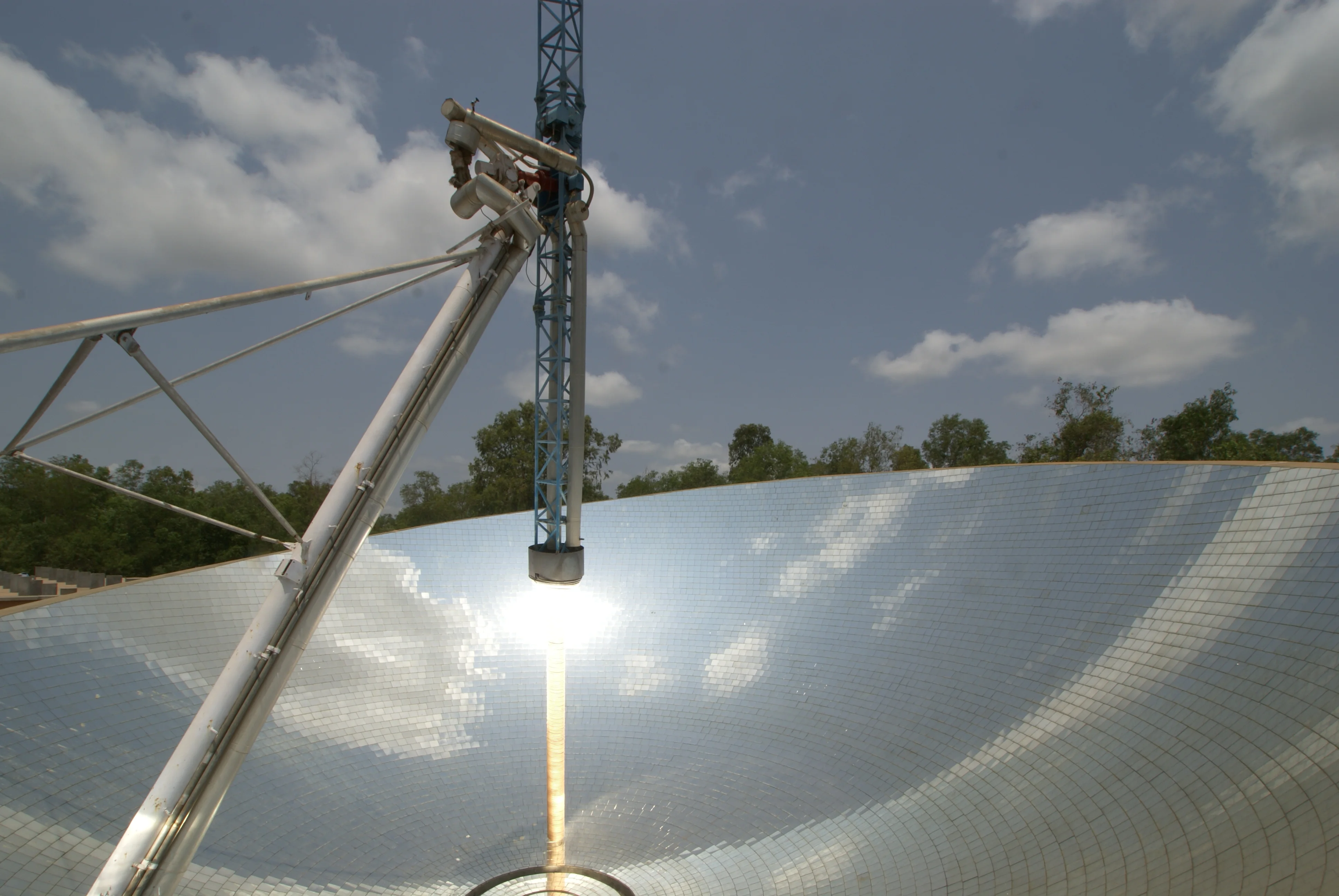
Architect: Suhasini Iyer The aim of the project “ Auroville Solar Kitchen” was to build a demonstration project In the use of SOLAR THERMAL ENERGY in steam generation, this in the case of this steam will be used for cooking meals 3 times a day for about 1000...
Should green buildings be incentivized?- A Discussion
2014-03-09
Uncategorized, Blogs
The following is a documentation of a parallel conversation in response to a panel discussion scheduled for a GRIHA Summit in January 2014. The Panel for the Summit discussion included Architect Mr Hafeez Contractor as well as other prominent industry representatives. The panel was to debate two schools...
Challenges of Practicing Sustainable Architecture
2014-03-09
Blogs
A Summary of Discussions at the Workshop at SPA, New Delhi on August 2, 2012 The table below summarises various points that were raised and discussed at the workshop. Challenges Strategies Client Demands, Aspirations, and Pressures Economic forces today are too powerful and the socioeconomic paradigm they have...
NO. 9 IYPE RESIDENCE, KENGERI
2014-03-09
Architecture
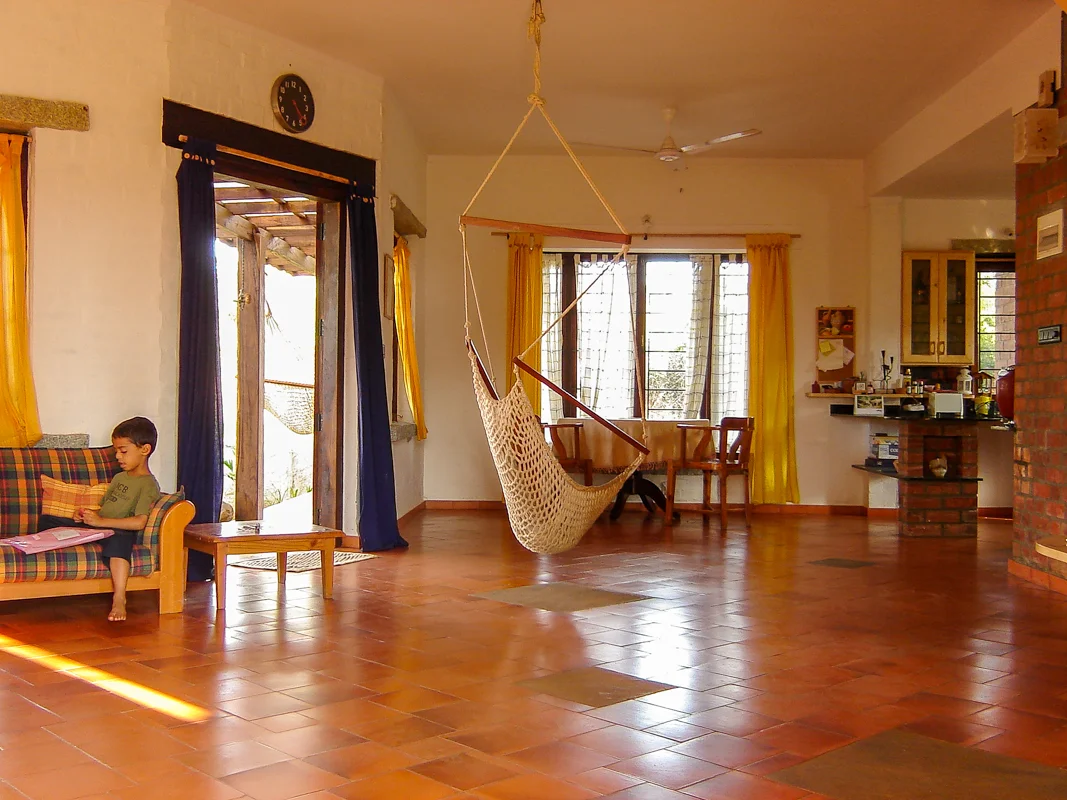
Architect: Jeeth Iype Prior to the design of our home, was the design of the community, “Good Earth”. An attempt to create an environment, which enhanced social interaction while retaining the privacy of its inhabitants. Conceived by a group of friends, the community is an outcome of aspiring...
CENTRAL UNIVERSITY OF TAMIL NADU, THIRUVARUR
2014-03-09
Planning
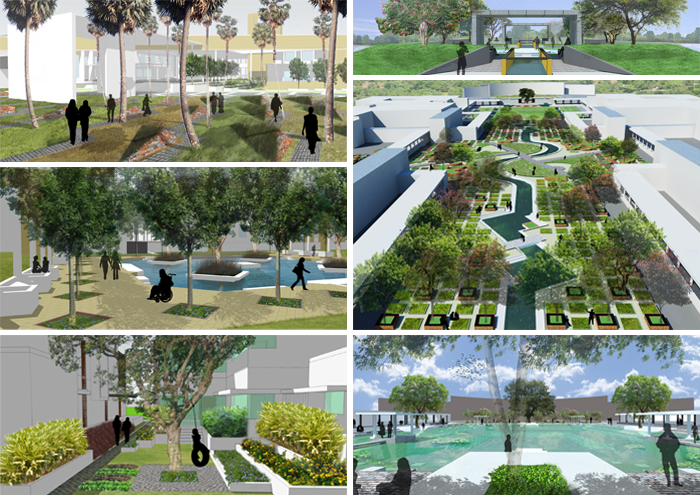
Architect: Mohan Rao The Central University of Tamil Nadu (CUTN) campus is spread over 517 acres located along the VettarRiver, Thiruvarur in the Cauvery Delta region. As the site lies within the Delta region the site is intersected several irrigation canals that flow into the river, and also...
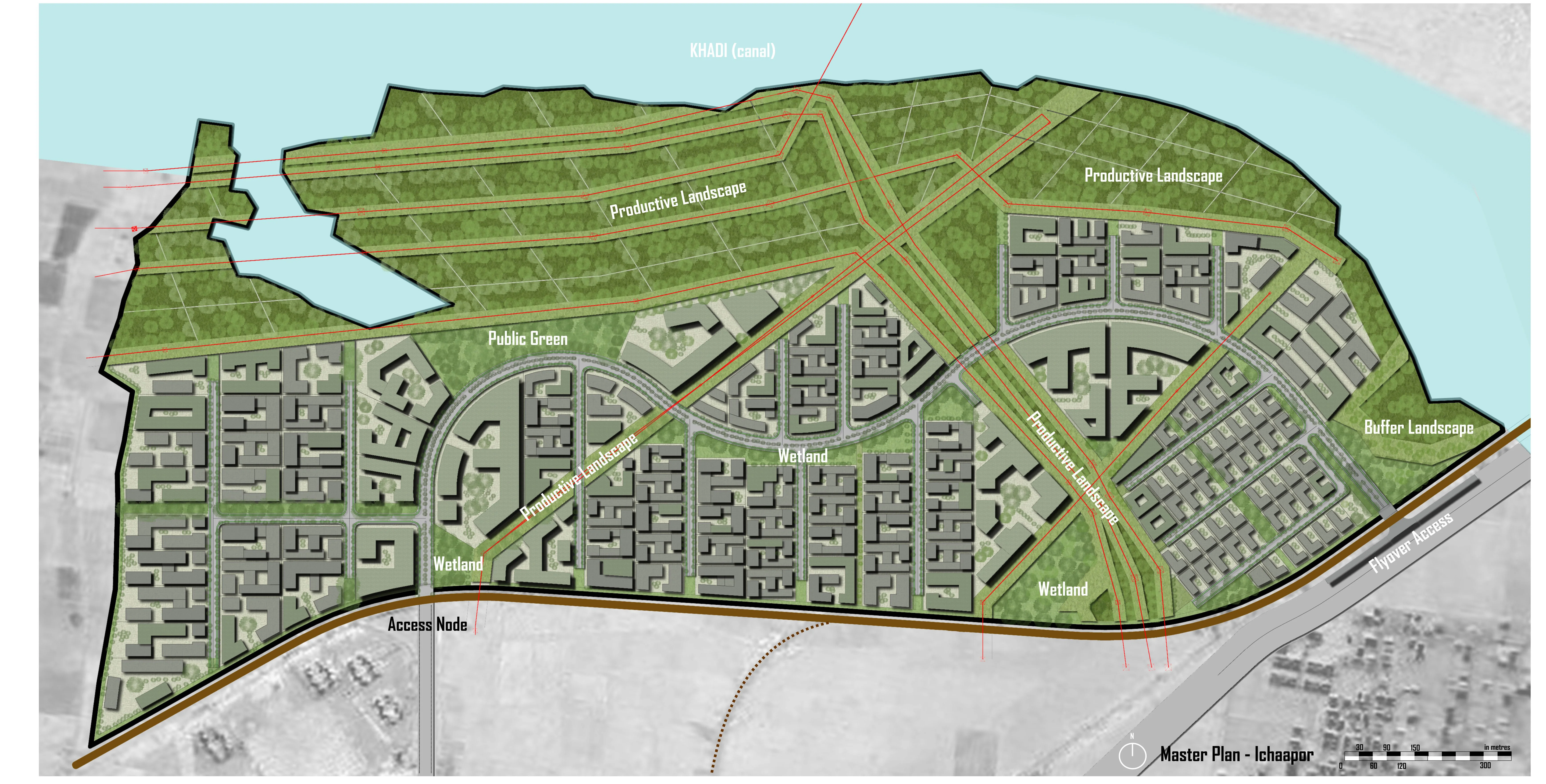
ICCHAPOR, SURAT
2014-03-09
Planning
Architect: Mohan Rao Following the national competition purpose of seeking innovative ideas for providing disaster prone resilient design/ planning for Surat city, the approach undertaken was based primarily on two parallel yet interrelated strategies of ‘land value economics’ and ‘landscape infrastructure’ that seek to inform a multidisciplinary proposal...
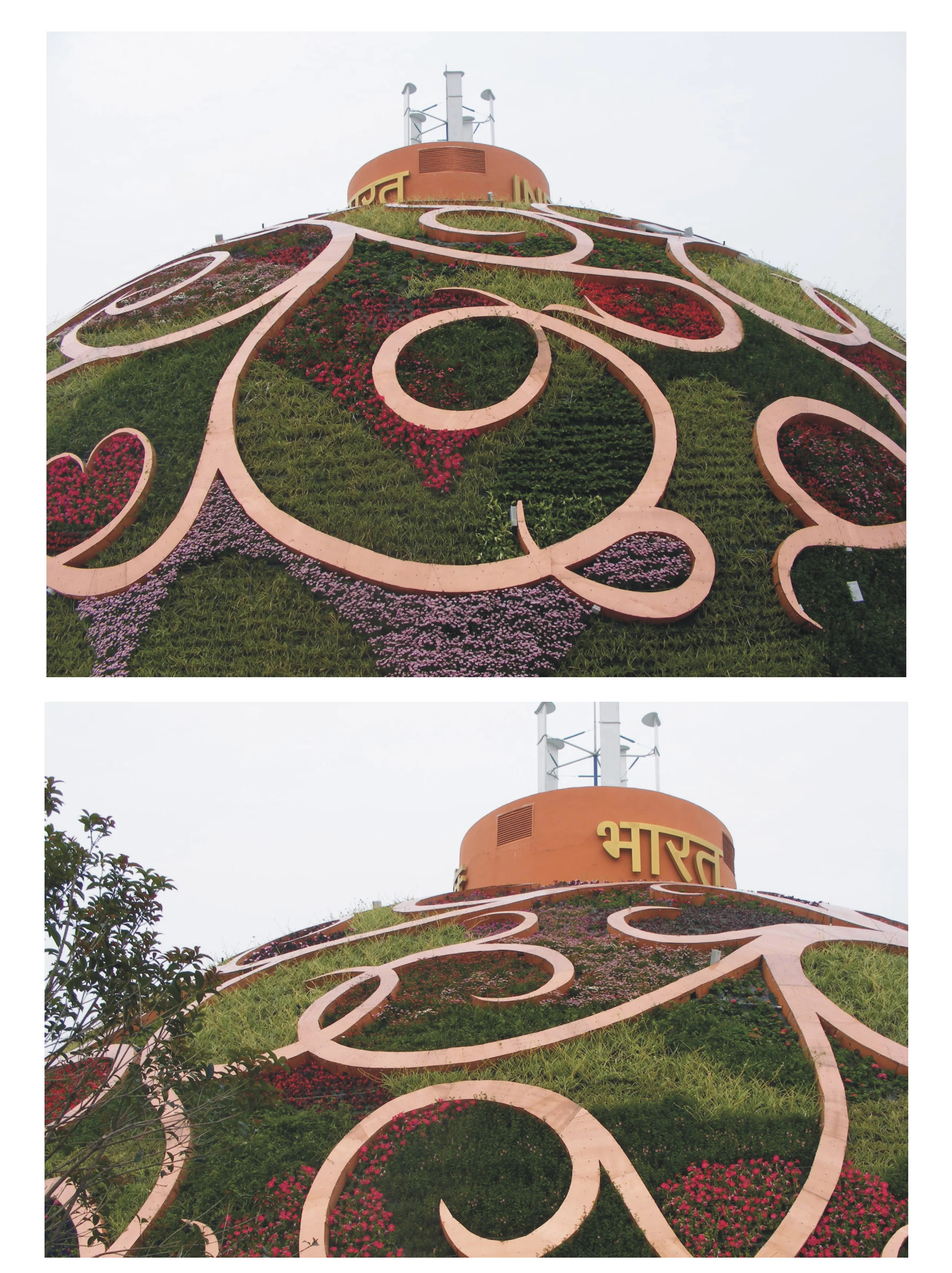
GREEN DOME- INDIAN SHANGHAI PAVILION, SHANGHAI
2014-03-09
Landscape design
Architect: Mohan Rao The Theme Section expresses harmony through its large bamboo dome – a herb roofed, indoor space provided with low-level air-conditioning.Inspired by the Buddhist Stupa at Sanchi, it rejoices in a common cultural thread between the host nation, China, and the guest, India. The Tree of...
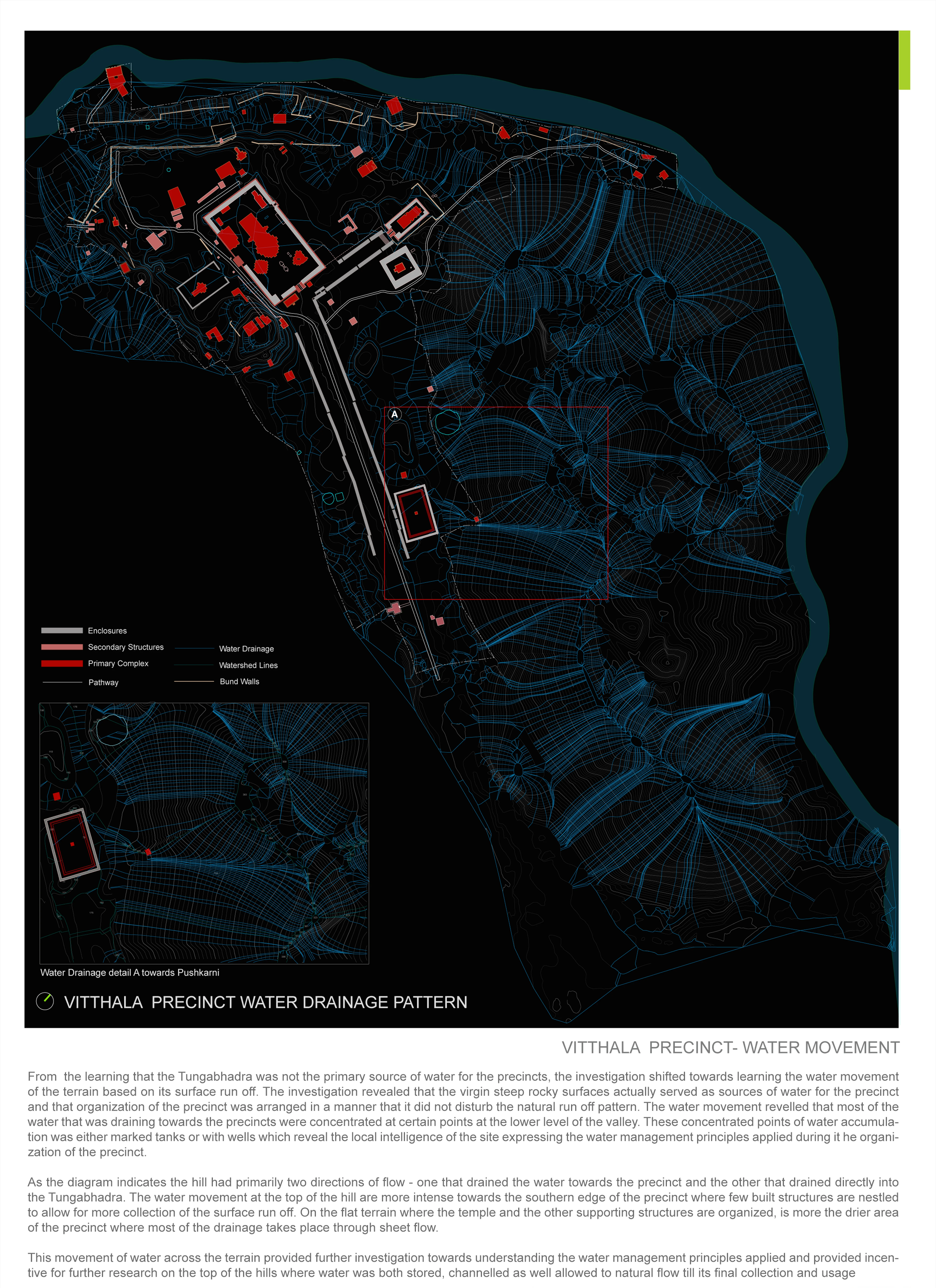
VITTHALA PRECINCT WATER CONSERVATION, HAMPI
2014-03-09
Conservation
Architect: Mohan Rao Hampi – the ruins of erstwhile Vijayanagara is a World Heritage Site, marking the remains of a 15thcentury capital city. The city of Vijayanagara, founded over existing ancient settlements during the 13thcentury, peaked in terms of scale & maturity during the 15th -16th century before...
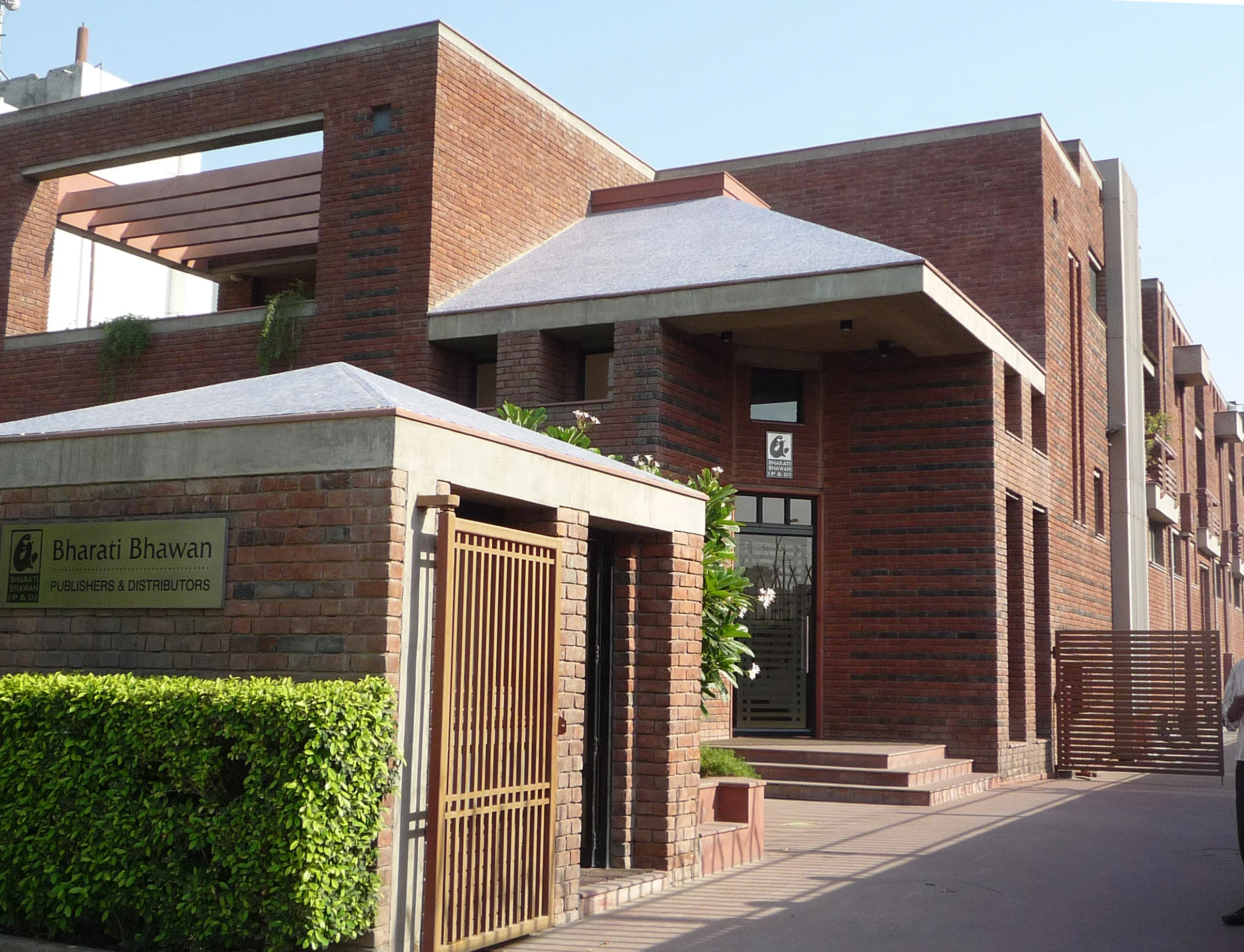
BHARATI BHAWAN, NOIDA
2014-03-09
Architecture
Architect: Vinod Gupta Bharati Bhawan’s office is an energy efficient and resource conserving building for a book publishing house. The long building walls face the unfavourable east and west directions. The building uses verandahs on these faces and skylights for day lighting. The external walls are insulated and...
TAJ WILDERNESS LODGE, PANNA
2014-03-08
Planning
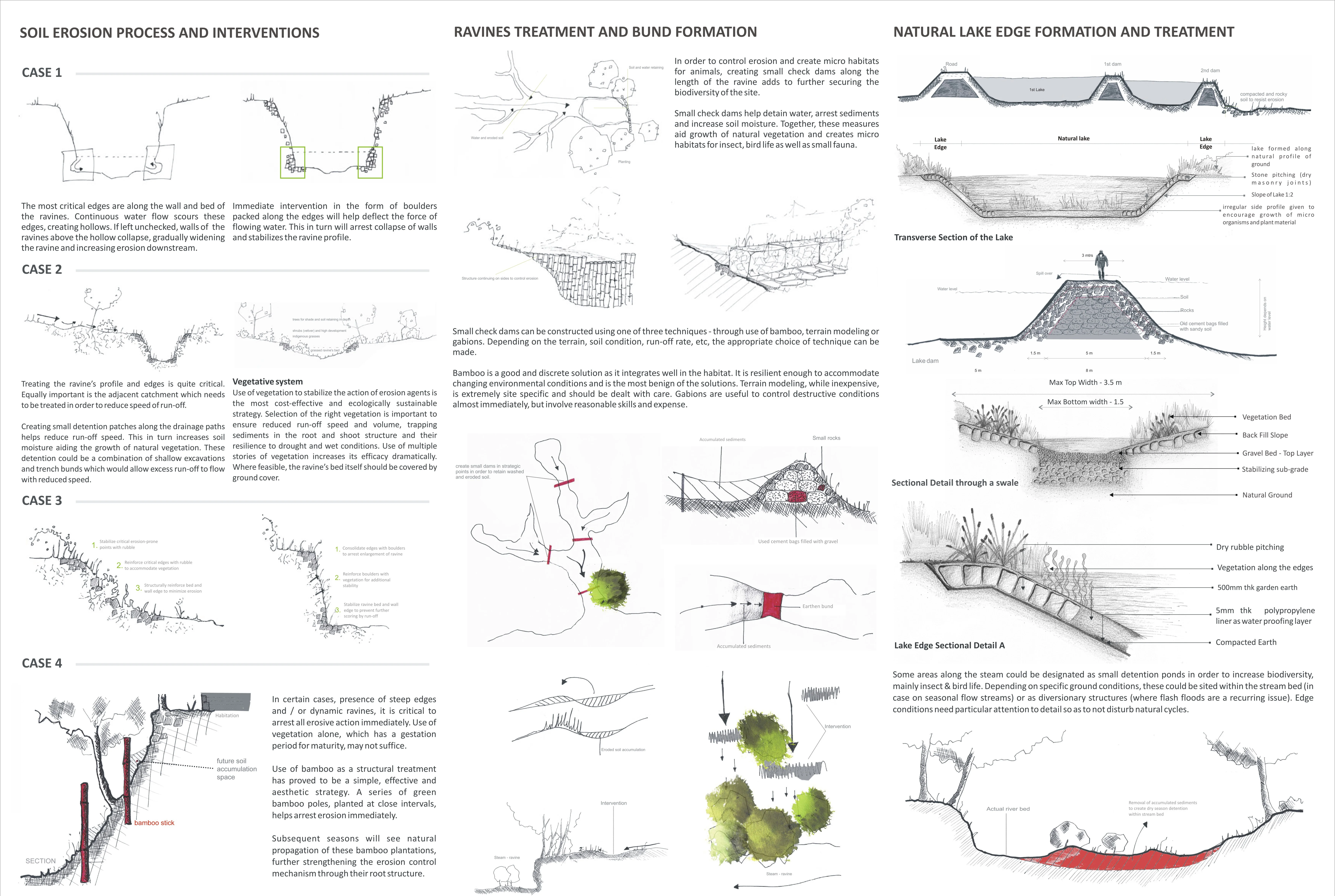
Architect: Mohan Rao The Taj Wilderness Lodge – Pashan Garh site is located in Panna, Madhya Pradesh spread over 200 acres on the outskirts of PannaNational Park part of the Vindhya hill range. The project is conceived as an eco‐friendly wilderness lodge incorporating integrated and passive strategies for...
HATHI GAON, AMBER
2014-03-08
Planning

Architect: Mohan Rao The natural habitat of the Asian Elephant, identified as tropical and semi-deciduous forests in proximity to a water source. In striking contrast is the case of the captive elephants employed in the tourism sector in Amber, 11 kilometres from JaipurCity, which ferry tourists from the...
BAB ZAERS HABITAT, MOROCCO
2014-03-08
Planning
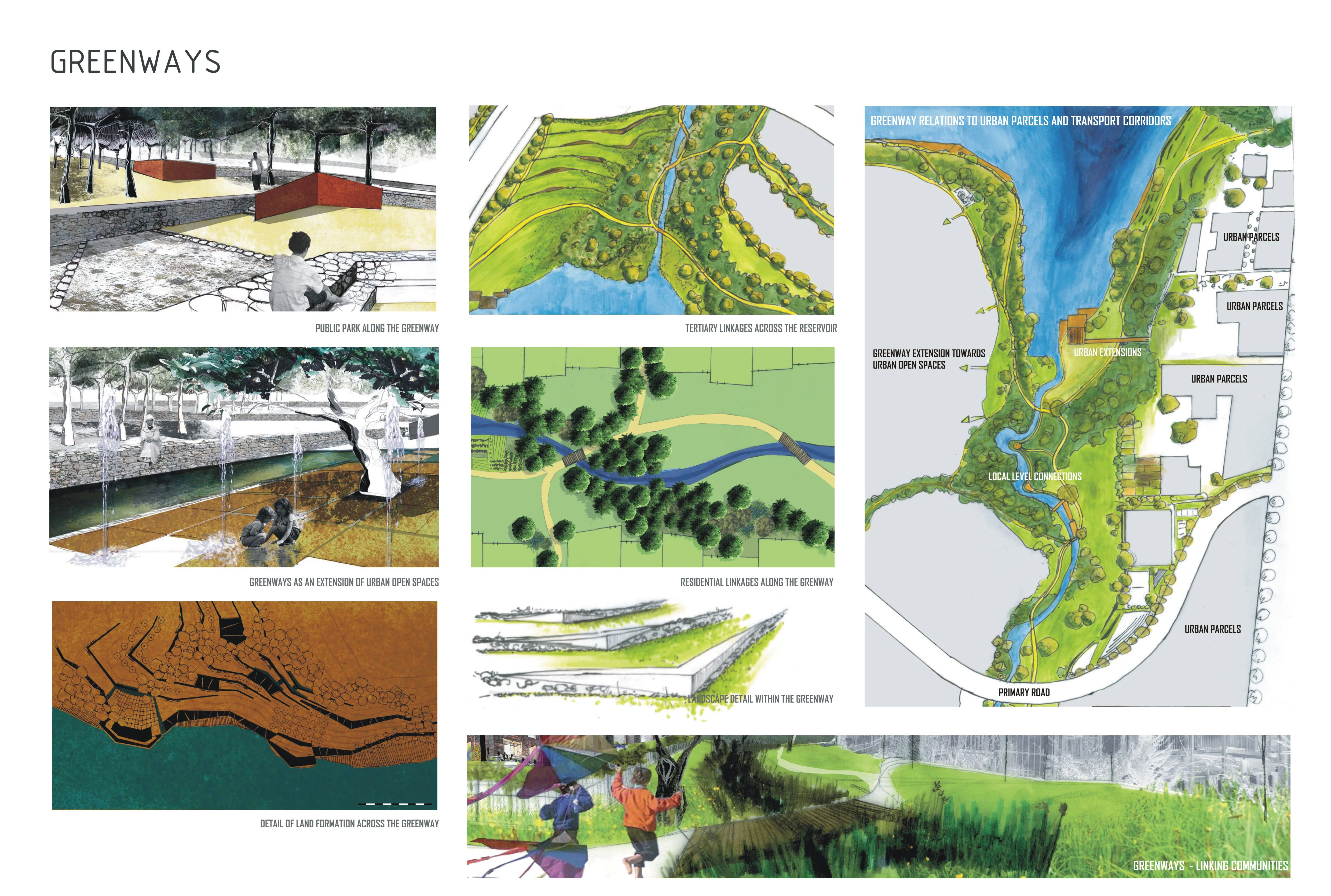
Architect: Mohan Rao Bab Zaers is a proposal for a new urban settlement spread over an area of 3000 hectares. Located 20 km south of Rabat, the political capital of the Kingdom of Morocco, the site is part of a totally undeveloped terrain with no settlements whatsoever. One...
GOOD EARTH HAMLET, KOCHI
2014-03-07
Architecture
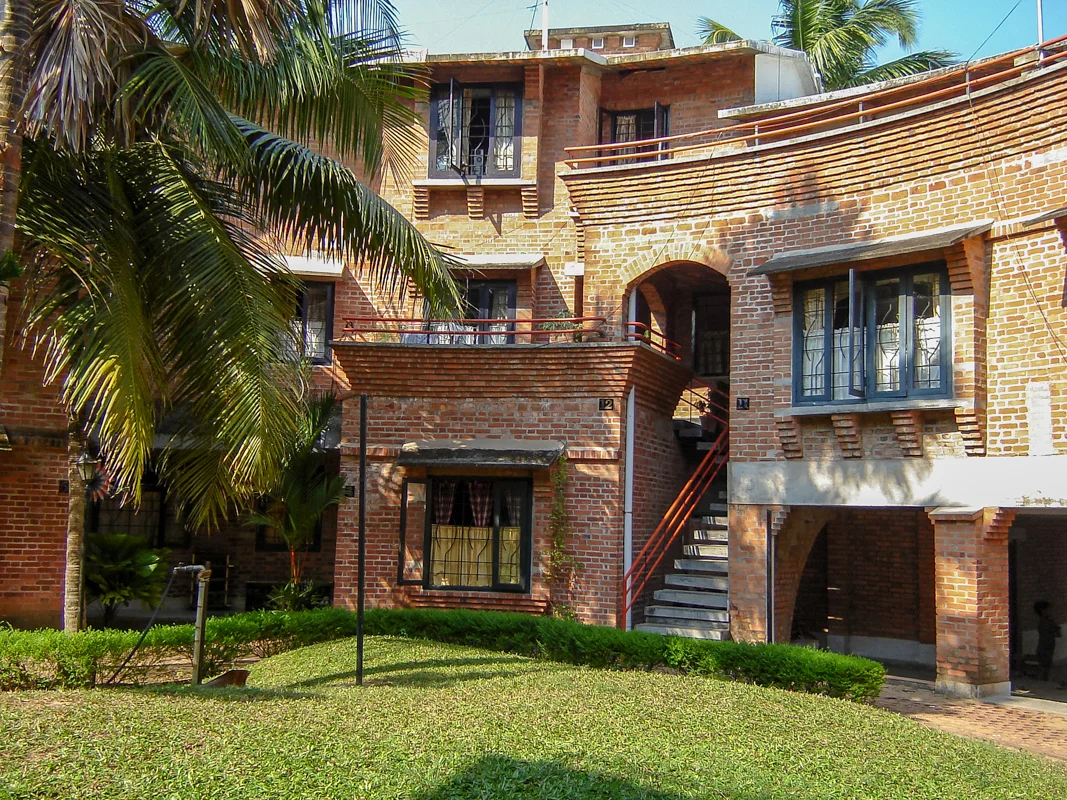
Architect: Jeeth Iype An attempt at community housing which bridged the existing gap between independent houses and the urban stereotype block of flats. The emphasis has been on community spaces to encourage interaction while at the same time providing for individual privacy. The half-acre plot is on the...
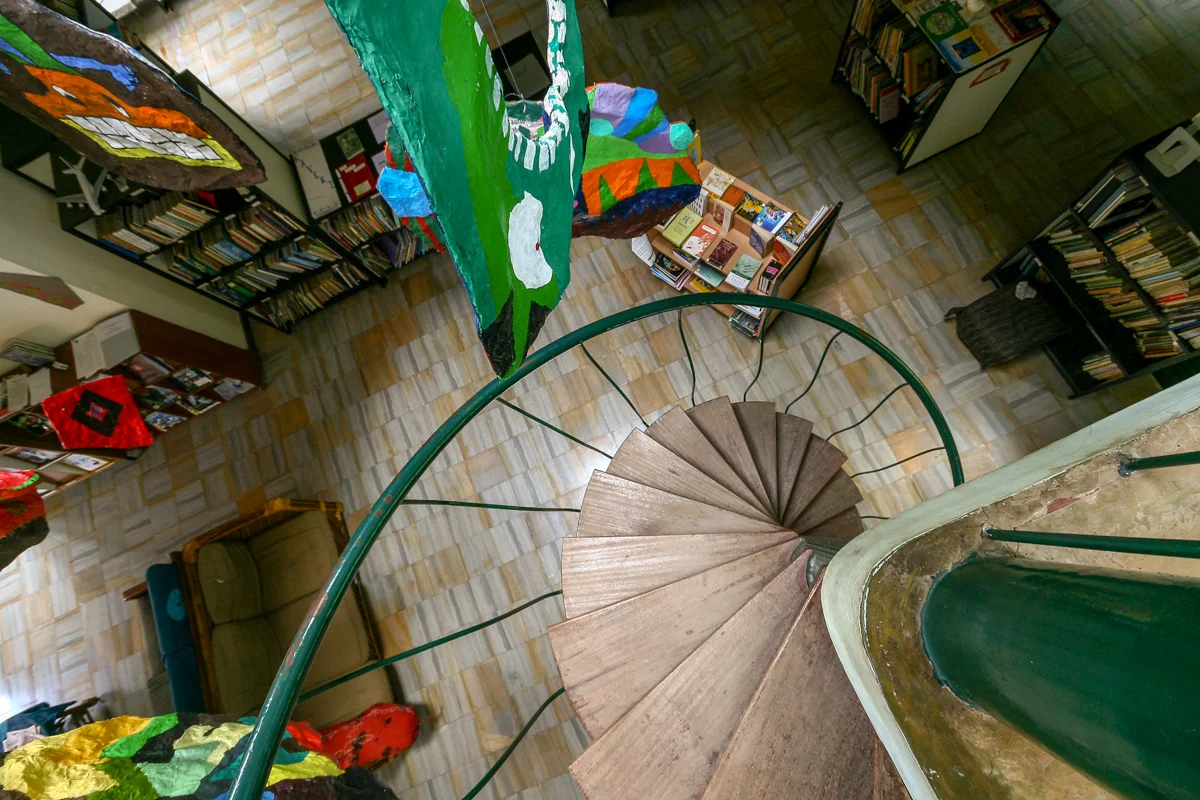
CENTRE FOR LEARNING, BANGALORE
2014-03-07
Architecture
Architect: Centre for Learning, started by a group of educators, is an attempt to explore the nature of learning and its relationship to the challenges we face today. Living creatively and meaningfully demands from each of us a serious inner enquiry free from dogma and ideology. Without this,...
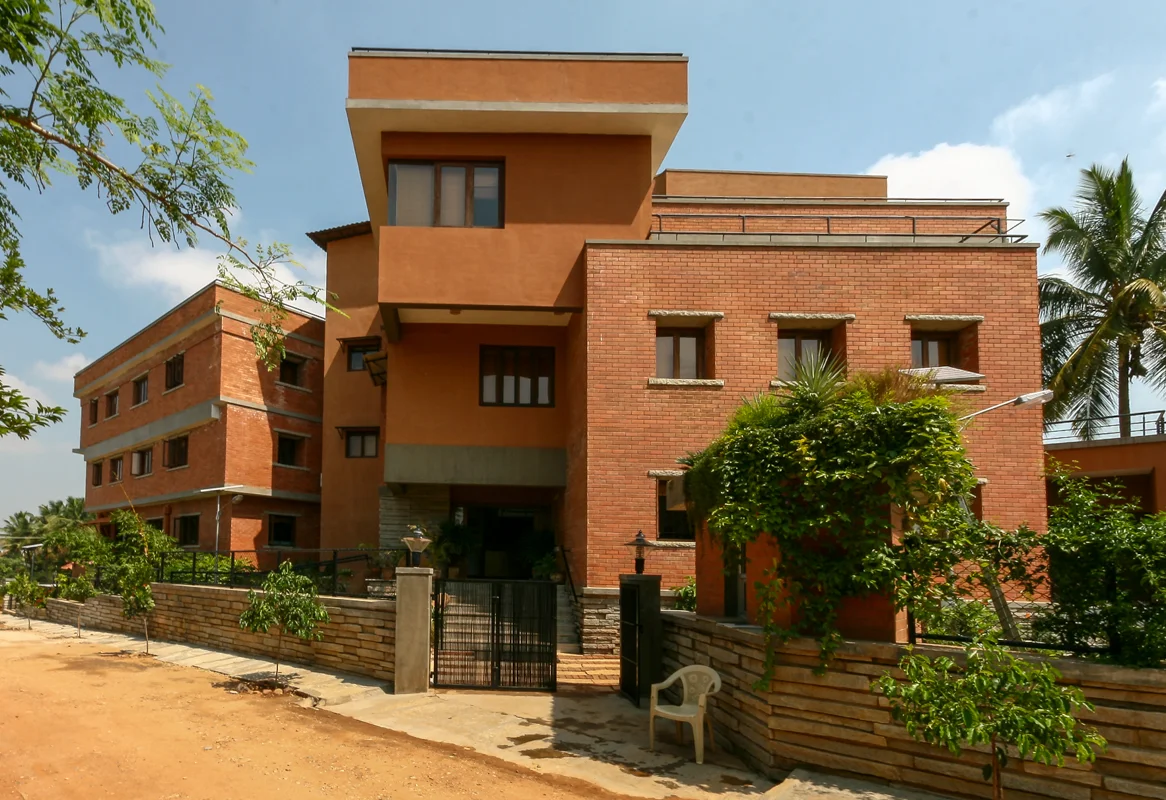
ATREE, BANGLAORE
2014-03-07
Architecture
Architect: “An ideal work environment would be one that the user relates to, that stimulates required interaction between users and creates highly motivated individuals.” The design has been evolved after a series of discussions and interaction with all concerned with ATREE. After initial Soil investigation and Contour survey...
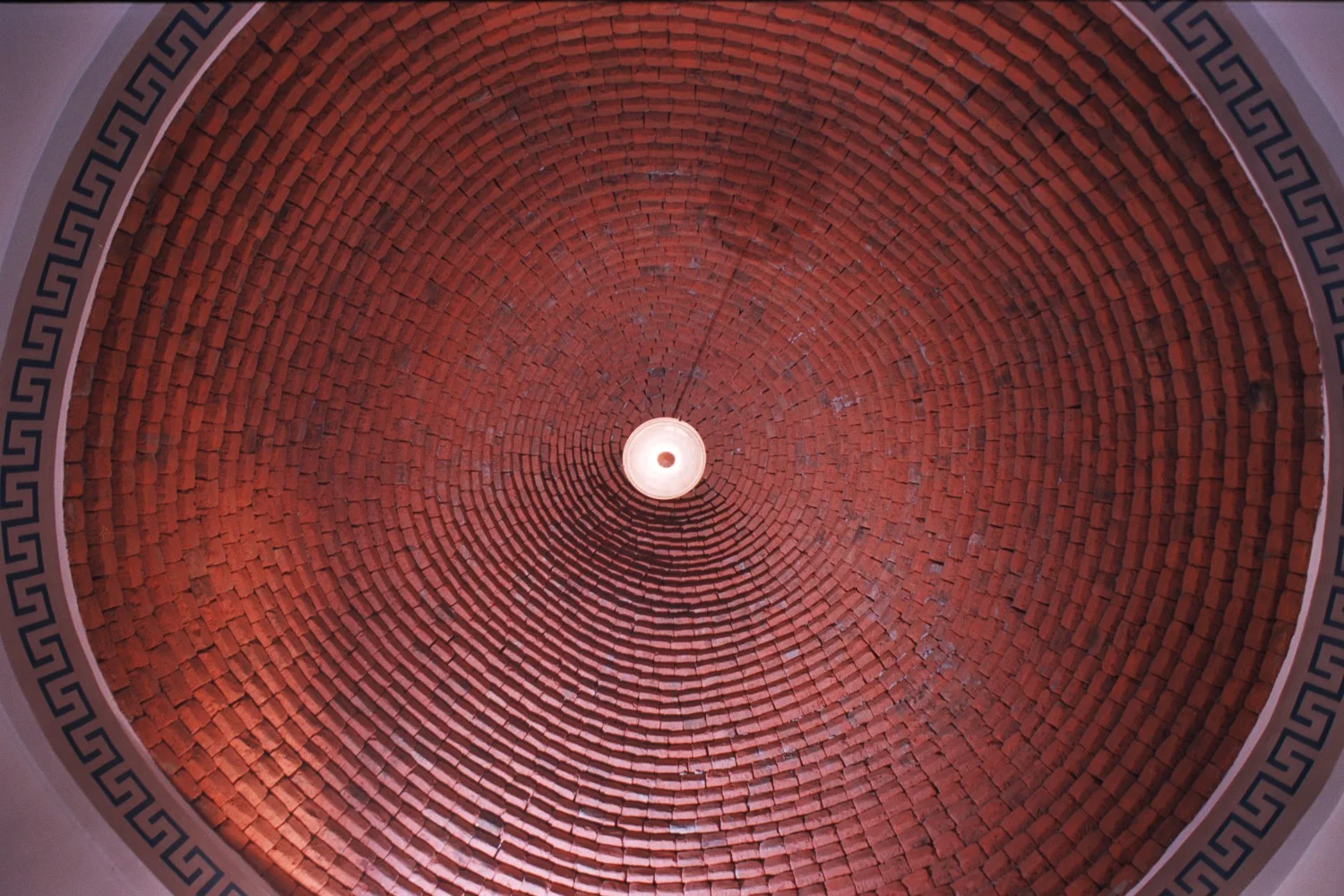
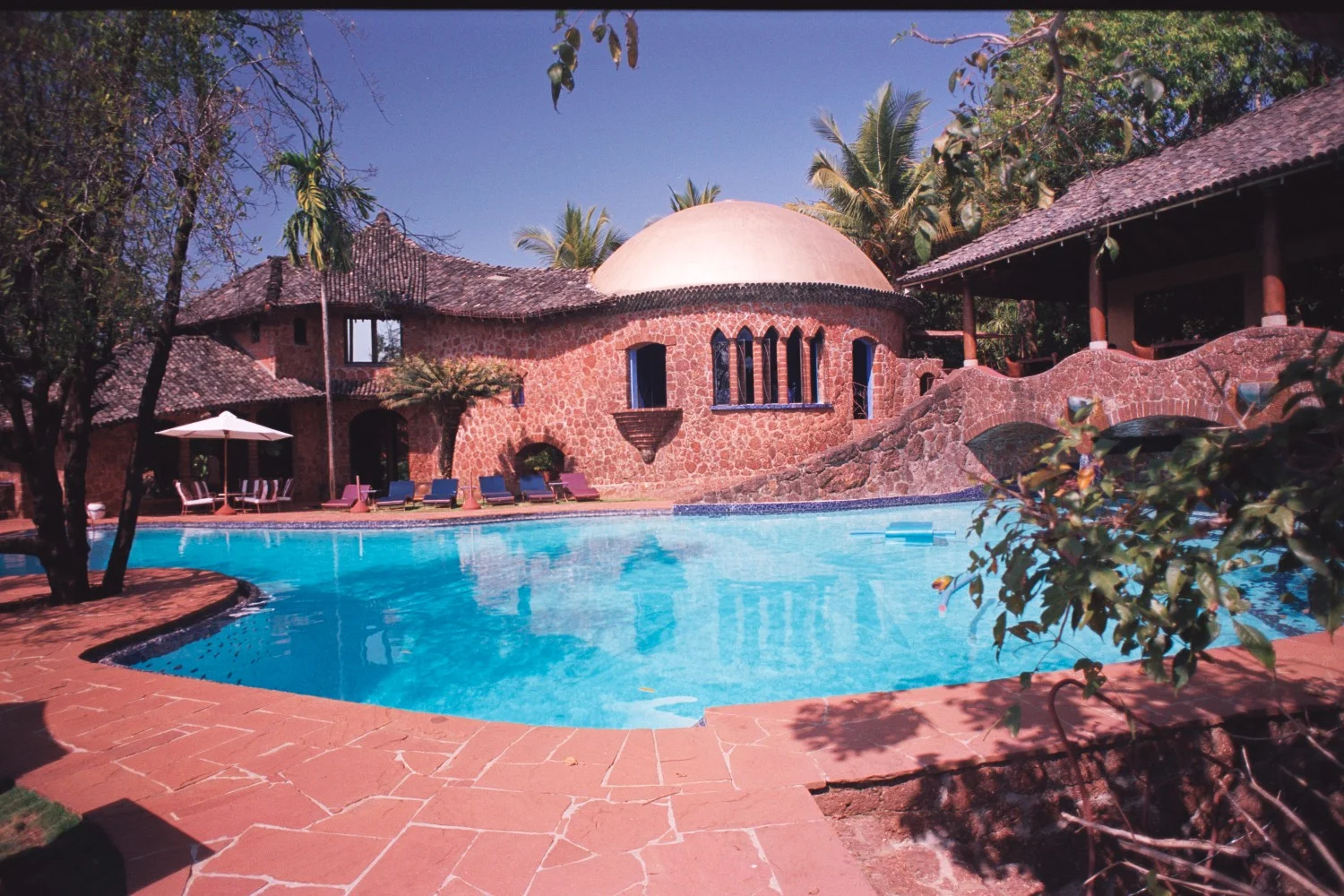
POUSADA TAUMA, GOA
2014-03-07
Architecture
Architect: POUSADA TAUMA which in Portuguese means “The resting place”, is a 13 room theme resort built around a central pool. The site, originally is an odd shaped coconut grove of approximately 7,750 sq.m. bounded by a dense village on all sides. It has a proper road access...
NILAYA, GOA
2014-03-07
Architecture
Architect: Built on top of the hill overlooking the wide stretch of beach, Nilaya spreads its arms towards the panoramic view below. It is an earthy structure built from stone excavated from the hill behind and uses a renewable timber (coconut rafters) for its roofing. Incorporated into the...
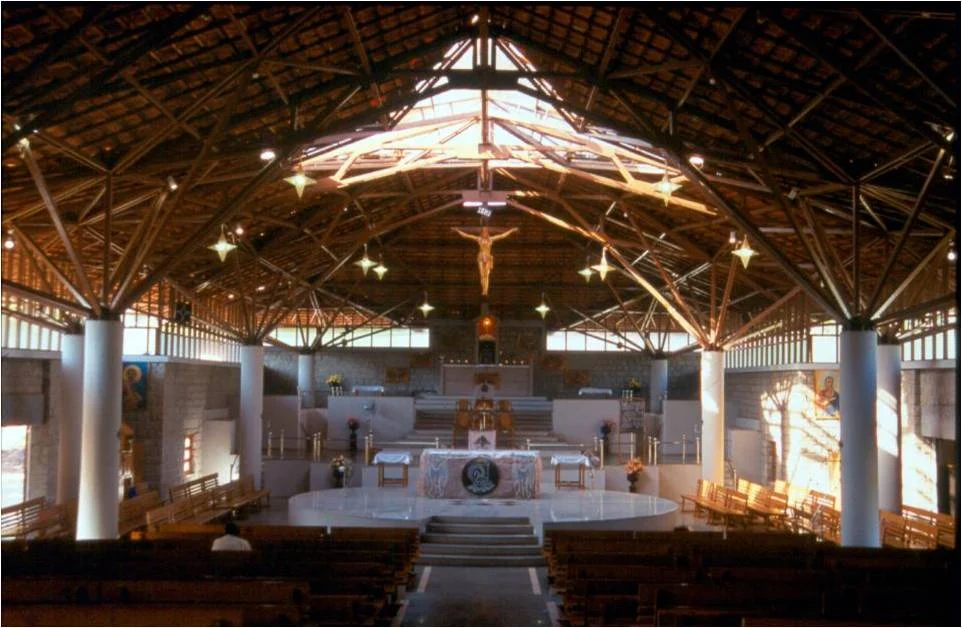
CATHEDRAL OF OUR LADY OF THE ASSUMPTION, KARWAR
2014-03-07
Works, Architecture
Architect: The Cathedral in Karwar in its design brief strongly mentioned the need to be an impressive building from the outside as it represented the mother of churches for that area. But there was another realization dawning and that was one of an interior architecture – the need...

The Potential of “Sustainability”
2014-03-05
Articles
(based on Paper presented at the Roundtable on Architecture and Urbanism in India, Mumbai, November 2003) Preamble The recent articulation in universal terms of the concepts of “sustainability” and “sustainable development” perhaps pre-sages an imminent paradigm shift in the reflexive practices of architecture and urbanism. The growing acceptance...
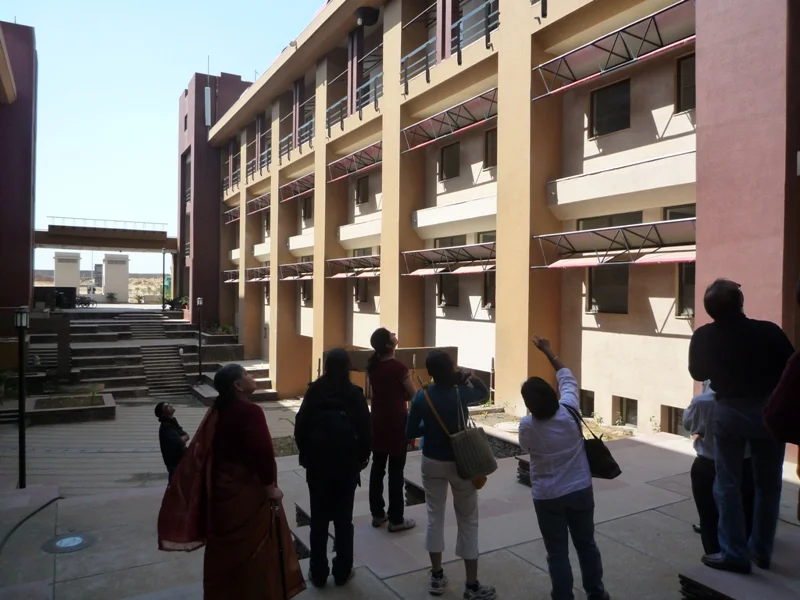
Starting with zero Sustainable Practices series
2014-03-04
Articles
(previously published in Buildotech, September 2010) Vinod Gupta is rare among practicing architects - he has a Ph. D. in energy studies from IIT Delhi. In some ways, this fact helps frame his approach to architecture. Among the pioneers of the conscious practice of sustainable architecture in India,...
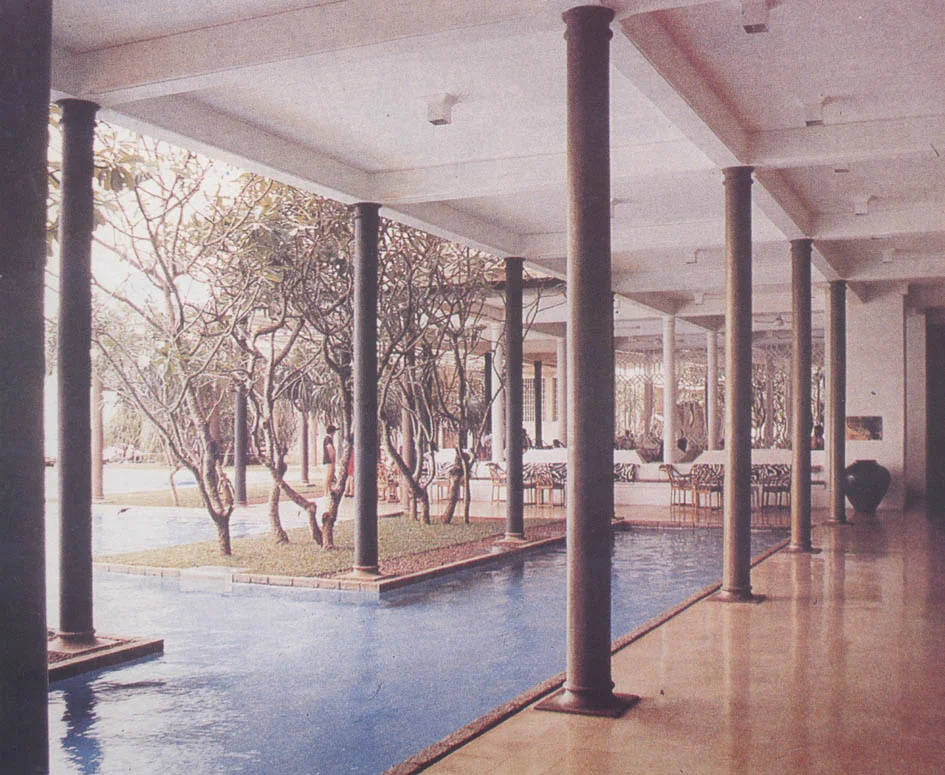
The Gandhi of Spatial Delight
2014-03-03
Articles
(previously published in Economic and Political Weekly, May 2007) The life and work of Laurie Baker - the famous practitioner of cost-effective architecture who died on April 1 at the age of ninety in Thiruvananthapuram - is a story that can be retold from very different points of...
Green but white
2014-03-02
Articles
(previously published in Construction Guru, July 2010) We expect relatively sustainable buildings to look ‘different’. Khadke house (4000 square feet, six bedrooms), designed by Girish Doshi for Pune’s composite climate with its hot-dry summers, looks like any other elegant contemporary house designed by a very skilled architect. Built...
Craft with care
2014-03-01
Articles
(previously published in Buildotech, April 2010) Himanshu Burte Buildings can be built well without being carefully crafted. If they are crafted with care, however, they often transcend their gross physicality and become a kind of second nature. The caring may be about people or the planet, but it...
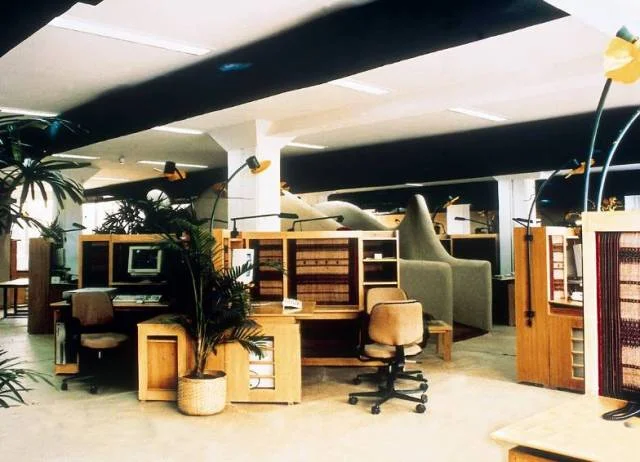
Sustainable Interiors
2014-02-28
Articles
The idea of sustainable interiors seems to be confused with LEED certification for GREEN interiors. By USGBC definition green interiors for commercial buildings are high performance, healthful, durable, affordable, environmentally sound commercial interiors. To achieve this, LEED requires: Location –public transportation availability for the building Energy Use Efficiency...
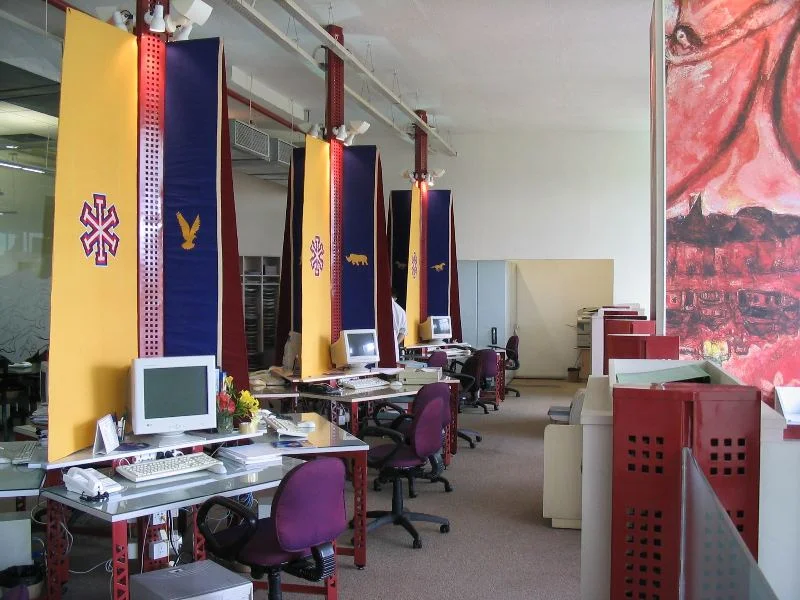
Recycling For Sustainable Interiors
2014-02-27
Articles
Some ideas that are part of the Green Interiors wrongly called Sustainable Interiors is that recycled materials, locally sourced materials and green materials such FSC certified timber ought to be used for construction. When the idea of green materials was first put into LEED, every major furniture manufacturer...
Sufficiency
2001-03-05
Principles
Though resource-constrained, we are afflicted with obesity, consuming more than what is sufficient to provide us with what we want. Architecture without constraints is no architecture at all. Design needs to provide services that meet real needs, not unhealthy greed.
Efficiency
2001-03-05
Principles
Productivity and efficiency are important– be it of providing floor space, water or energy. Less is more. Value engineering of designs is needed to produce more out of less, getting better value for money, ultimately so as to get value out of nothing at all! And speed is...
Equity
2001-03-05
Principles
Projects often end up creating unintended barriers — whether for people of certain ability, class, or gender. Universal design creates an inclusive, non-gated, flat world. Progress that leaves some people behind is not progress at all.
Conservation
2001-03-05
Principles
Biosphere resources need to be conserved and not depleted. Projects should not draw down upon capital stock of resources that go into making a project but sustain on income. Resources must be left for future generations. Reuse and recycling help.
Well-being
2001-03-05
Principles
We do not want to live in air-conditioned but sick buildings. Your plan needs to be able to create a better lifestyle, as defined by most of us: to be able to enjoy the fruits of our labour, to be healthy and comfortable — in short, to be...
Identity
2001-03-05
Principles
Users need to be able to call projects their own. Projects should engender pride and promote local cultural development. Implanting global icons out of context often creates a dystopian society, with people unable to deal with their sense of self-worth.
Substitution
2001-03-05
Principles
Design needs to replace the use of non-renewable, fossil, resources with renewable ones, mined materials with harvested materials, mined water with harvested rainwater. Renewable energy should be used wherever possible.
Resilience
2001-03-05
Principles
The future is uncertain and projects should be built to be withstand future energy, food, water or economic crisis. Projects need to flexible enough to change its function over its lifetime and lastly, re-use of dismantled parts should be possible.